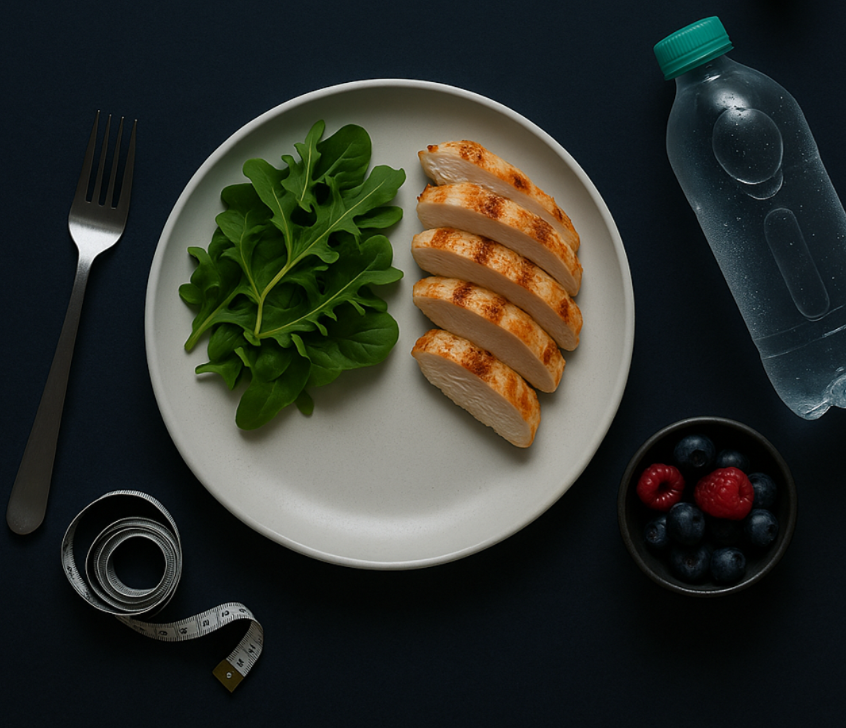
Skip the fads. This hub explains how fat loss actually happens, how to set a realistic plan, and the small habits that move the needle.
Education only, not medical advice. For personal guidance or medical conditions, consult a qualified clinician.
Key points (read this first)
- Body fat drops when you consistently spend more energy than you take in (a modest, sustainable deficit).
- Higher-protein eating helps with fullness and muscle retention during weight loss.
- Movement is more than “workouts”—your daily steps and everyday activity (NEAT) can double your burn.
- Two to three days of simple strength training protects muscle, joints, and your metabolism.
- Sleep, stress, and your environment (what’s in the house, your routine) often determine consistency.
- Safe progress is gradual; extreme deficits backfire via hunger, fatigue, and rebounds.
How fat loss really works (overview)
Weight loss is not a magic diet, it’s a system. Reduce intake slightly, keep protein high, move more in ways you can repeat, sleep enough, and remove friction from your routine. Many people try to overhaul everything at once; most success comes from 3–5 small changes you can live with for months.
Think “noticeable but livable.” For many adults, that means trimming portions or snacks to create a small daily shortfall rather than slashing entire food groups.
Calorie balance 101: set the foundation
Your body uses energy all day: to run organs, digest food, and power movement. Fat loss happens when intake averages a little below expenditure over time. Instead of counting every calorie, you can manage the inputs with a few practical levers:
1) Portion levers
Downsize calorie-dense items slightly (oils, fried foods, sweets, sugary drinks) and upsize vegetables and lean proteins. Swap creamy sauces for herbs/yogurt.
2) Meal rhythm
Regular meals reduce “arrive starving, overeat everything.” Whether you prefer 2, 3, or 4 meals, keep protein and fiber present each time.
3) Food environment
Keep easy, high-protein options and prepped veggies within reach. Hide treats or buy single-serve to reduce autopilot snacking.
4) Liquid calories
Most people undercount drinks. Choose water, unsweetened tea/coffee, or lower-calorie alternatives most of the time.
A helpful target is slow, steady progress—clothes fit better, energy stays stable, and you’re not constantly hungry. If you’re excessively tired, irritable, or hungry, the deficit is probably too large.
Protein & meals: the anchor of your plan
Protein helps you feel full, supports recovery, and protects muscle while you lose fat. Include a quality source at every meal: eggs, fish, chicken, lean beef, yogurt, cottage cheese, tofu/tempeh, legumes, or a protein shake when convenient.
How much protein?
A higher-protein pattern is often effective for fat loss. Many active adults aim for a generous portion at each meal (a palm-sized serving or ~20–40g), adjusted to appetite, preferences, and guidance from a clinician—especially if you have kidney disease.
Carbs, fats & fiber
- Carbs: favor minimally processed sources (fruit, potatoes, rice, oats, whole grains). Time larger servings around activity if you like.
- Fats: include some with meals (olive oil, nuts, seeds, avocado, eggs, dairy) for flavor and fullness—just mind portions.
- Fiber: vegetables, fruit, legumes, and whole grains add volume for few calories. Aim to see produce on half your plate often.
Movement: NEAT + training = momentum
“Exercise” is only part of the picture. Non-exercise activity thermogenesis (NEAT)—all the walking, standing, fidgeting, chores—can massively influence your daily burn. Many plateaus break simply by raising daily steps and adding a bit of strength work.
NEAT: easy wins
- Add a 10–15 minute walk after meals.
- Park farther, use stairs, stand for calls.
- Set a gentle step goal and bump it by ~2k when it feels easy.
Strength training (2–3×/week)
Full-body routines of pushes, pulls, squats/hinges, and core. Protects muscle, joints, and bone; improves look and posture as fat drops.
Cardio (sprinkle in)
Brisk walks, cycling, rowing, swimming—whatever you’ll repeat. Mix easy efforts with occasional intervals if you enjoy them.
Sleep, stress & environment: the consistency trio
Hunger, cravings, and willpower are heavily affected by sleep and stress. Short sleep raises appetite and lowers impulse control; stress pushes you toward quick comfort foods. Two levers make everything easier: a better night routine and smoothing your food environment.
- Sleep basics: wind-down ritual, darker/quiet room, earlier screens-off, caffeine earlier in the day, consistent wake time.
- Stress safety valves: brief walks, breathing/prayer, short journaling, light mobility or stretching breaks.
- Environment: prep protein and produce, keep snacks out of sight, plan 2–3 go-to meals for busy days.
High-protein sample day (normal foods)
Breakfast
Greek yogurt + fruit + oats or eggs + veggies + a slice of toast. Coffee/tea unsweetened or lightly sweetened.
Lunch
Chicken, tuna, tofu, or beans over a big salad bowl with olive oil + vinegar; add potato, rice, or whole-grain wrap if desired.
Snack
Cottage cheese + fruit; or protein shake + banana; or hummus + carrots; or a handful of nuts (portion-aware).
Dinner
Fish/chicken/lean beef/legume chili + 2 veggies + smart carb (rice, potatoes). Flavor with spices, citrus, yogurt sauces.
Adjust portions to appetite and goals. Build plates around protein + produce first, then add carbs/fats for energy and satisfaction.
Plateaus: 9 things to check before changing everything
- Consistency window: Has it truly been 2–3 consistent weeks? Normal water shifts can hide progress.
- Protein at every meal: Are you hitting a solid portion each time?
- Hidden calories: Sauces, dressings, oils, nuts, desserts, and drinks can add up fast.
- Liquid calories: Sugary beverages, alcohol, fancy coffees—easy deficit killers.
- Steps/NEAT: Did daily movement drop (busy week, more sitting)? Restore baseline steps.
- Strength sessions: Hitting 2–3 simple workouts weekly?
- Sleep & stress: Rough weeks raise appetite; focus here before cutting more food.
- Weekend “wipeouts”: Balanced weekdays, then large weekend overages—tighten one meal at a time.
- Portion drift: Plates got bigger? Re-measure a few staples for a week to recalibrate.
About GLP-1 medications (general info only)
GLP-1–based medicines (e.g., semaglutide, tirzepatide) are prescription tools that can reduce appetite and support clinically significant weight loss for eligible patients under medical care. They’re not a shortcut around habits—you still benefit from protein, movement, sleep, and a supportive environment. Only a clinician can decide if they’re appropriate for you based on health history, medications, and goals.
Questions about side effects, costs, or suitability must be discussed with your healthcare professional.
For basics, see: GLP-1 Medications: What They Are & Common Questions.
FAQs
Do “calories in vs calories out” ignore hormones?
No. Hormones influence hunger, movement, and energy use—which change the “calories in” and “calories out” sides. The practical fix is habits that stabilize appetite and movement: protein, fiber, sleep, and activity.
Can I lose fat and build muscle at the same time?
Beginners, detrained lifters, and people returning to structured strength often can, especially with higher protein and consistent training. Over time, progress alternates: periods focused a bit more on fat loss or muscle gain.
Are “cheat meals” okay?
It’s better to think “planned flexibility.” Enjoy social foods mindfully, but don’t aim to overeat. Many people do well with one relaxed meal weekly that still includes protein and veggies.
Is intermittent fasting required?
No. It’s one pattern that helps some people manage appetite and calories. Others prefer regular meals. Choose the rhythm you can stick with without rebound overeating.
Do I need supplements?
Food first. Some people use a protein powder for convenience, or a basic multivitamin if diet variety is limited. Ask a clinician about vitamin D, iron, or B12 if you have symptoms of deficiency.
The scale isn’t moving but my clothes fit better—why?
Normal water shifts, better digestion, or early muscle gain can mask fat loss. Track multiple signals: waist measurements, progress photos, and how clothes fit.