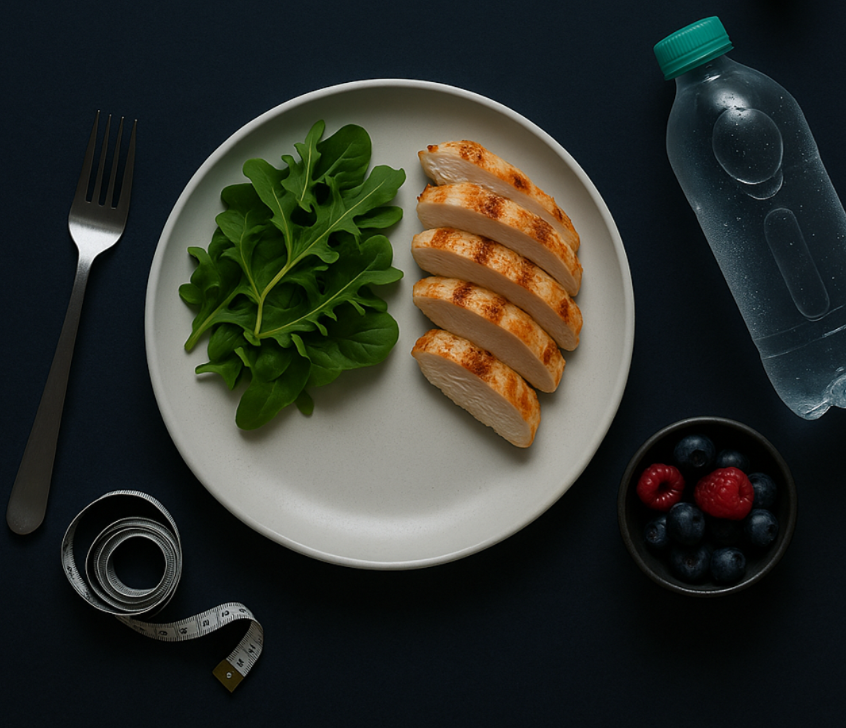
NEAT is the quiet calorie burn from daily life—walking, standing, chores, fidgeting. Boosting it can break plateaus without longer gym sessions.
Education only, not medical advice. Choose options that are safe for your body and speak with a clinician if you have injuries or medical conditions.
What NEAT is (and isn’t)
NEAT stands for non‑exercise activity thermogenesis—the energy you spend moving through life outside of structured workouts. Think steps to the market, pacing while on a call, cleaning, gardening, standing on transit, or light play with kids. It doesn’t include your gym sessions (that’s exercise activity) or the calories your body uses at rest (basal metabolism).
Why the fuss? Because NEAT varies wildly among people. Two individuals can eat the same, train the same, but one casually racks up thousands more steps and countless micro‑movements, burning hundreds of extra calories without noticing. That difference often explains why some people lean out faster on identical meal plans.
Why NEAT matters for fat loss
- It’s sustainable. Small changes fit into busy days; no recovery cost or extra gym time.
- It stacks. A short walk after each meal plus a few standing blocks can outpace a single workout in total burn.
- It protects consistency. On stressful days you may skip the gym, but you can still keep NEAT high and preserve momentum.
As weight drops, your body may subconsciously move less (a natural conservation response). Intentionally raising NEAT counters this slowdown and helps you keep progress steady.
Find your baseline
First, see where you are now for 3–7 days: average steps, time spent sitting vs standing, and light activity. Don’t change anything yet—just notice. After you know your baseline, increase gently.
| Baseline avg steps/day | Initial target | Progression |
|---|---|---|
| < 3,000 | 4,000–5,000 | Add 500–1,000 steps every 1–2 weeks |
| 3,000–6,000 | 6,500–8,000 | Bump 1,000 steps when it feels easy |
| 6,000–9,000 | 8,500–10,000 | Hold steady on busy weeks; add short walks after meals |
| 10,000+ | Maintain | Layer standing blocks or light cycling if desired |
These are suggestions, not rules. If you work a physical job, beware of overshooting—recovery and sleep still come first.
Daily boosts that add up
After‑meal walks
10–15 minutes after breakfast, lunch, and dinner supports digestion and adds 1–2k steps effortlessly.
Calls on the move
Stand or pace during calls. Use a headset and stroll a quiet hallway or outside.
Stairs + parking
Take stairs where safe and park a little farther when time allows.
Micro‑break timer
Every 45–60 minutes, stand up for 2–3 minutes: stretch, refill water, quick tidy.
Household NEAT
Batch chores into a 20–30 minute block: sweeping, laundry, dishes, organizing.
Social NEAT
Make short walking meet‑ups or “coffee walks” a habit with friends or family.
The 7‑day NEAT plan
Use this as a template. Swap days to match your schedule.
Day 1 (reset)
- Track steps all day.
- Two 10‑minute walks after meals.
- One 20‑minute chore block.
Day 2
- Walk during two phone calls.
- Stairs where safe.
- Standing desk 2×30 minutes.
Day 3
- Three post‑meal walks.
- Short mobility break morning & afternoon.
Day 4
- Errands on foot if practical.
- Park farther for each stop.
Day 5
- Nature walk 30–45 minutes.
- Evening tidy/organize 20 minutes.
Day 6
- Family/friend walk or light play.
- Stretch while watching TV.
Day 7 (audit)
- Average steps for the week.
- Plan one new NEAT habit for next week.
Pair this plan with two or three short strength sessions each week and you’ll cover most bases for health and fat loss.
Desk & home setups that help
Standing desk (intermittent)
Alternate sitting and standing for comfort. Try 30–45 minute sitting blocks with 15–20 minutes standing.
Walk‑and‑work
Light walking pad/treadmill at very slow speed during emails or calls (if space and safety allow).
Visual prompts
Keep comfy shoes, water bottle, and a light jacket visible to nudge quick walks.
Tracking & plateaus
- Pick one metric: steps/day is usually enough. Add stand hours if your device tracks it.
- Use streaks wisely: celebrate 3‑day streaks, not just 30‑day ones. Reset after illness or travel without guilt.
- Plateau fix: if weight stalls for 2–3 weeks, raise average steps by ~1–2k or add one extra after‑meal walk most days.
- Recovery check: if you feel unusually fatigued, hold steps steady and prioritize sleep.
FAQs
How many steps should I aim for?
Whatever is a notch above your current baseline. Many adults find 7–10k steps/day a good long‑term target, but progress matters more than a round number.
Can NEAT replace workouts?
NEAT adds a big calorie burn and health benefits, but strength and cardio still support fitness, joint health, and longevity. Use both.
What if I have a sedentary job?
Use timers for movement snacks, take walking meetings, and stack after‑meal walks. A standing desk used intermittently can help.
Is more always better?
No. If steps spike too fast, you might feel worn down. Increase gradually and protect sleep.