A smart nap boosts alertness and mood. Learn the best nap lengths, when to take them, how to avoid grogginess, and when to skip naps altogether.
Education only, not medical advice. If you have severe daytime sleepiness, dozing while driving, or possible sleep apnea, seek care.
Why nap?
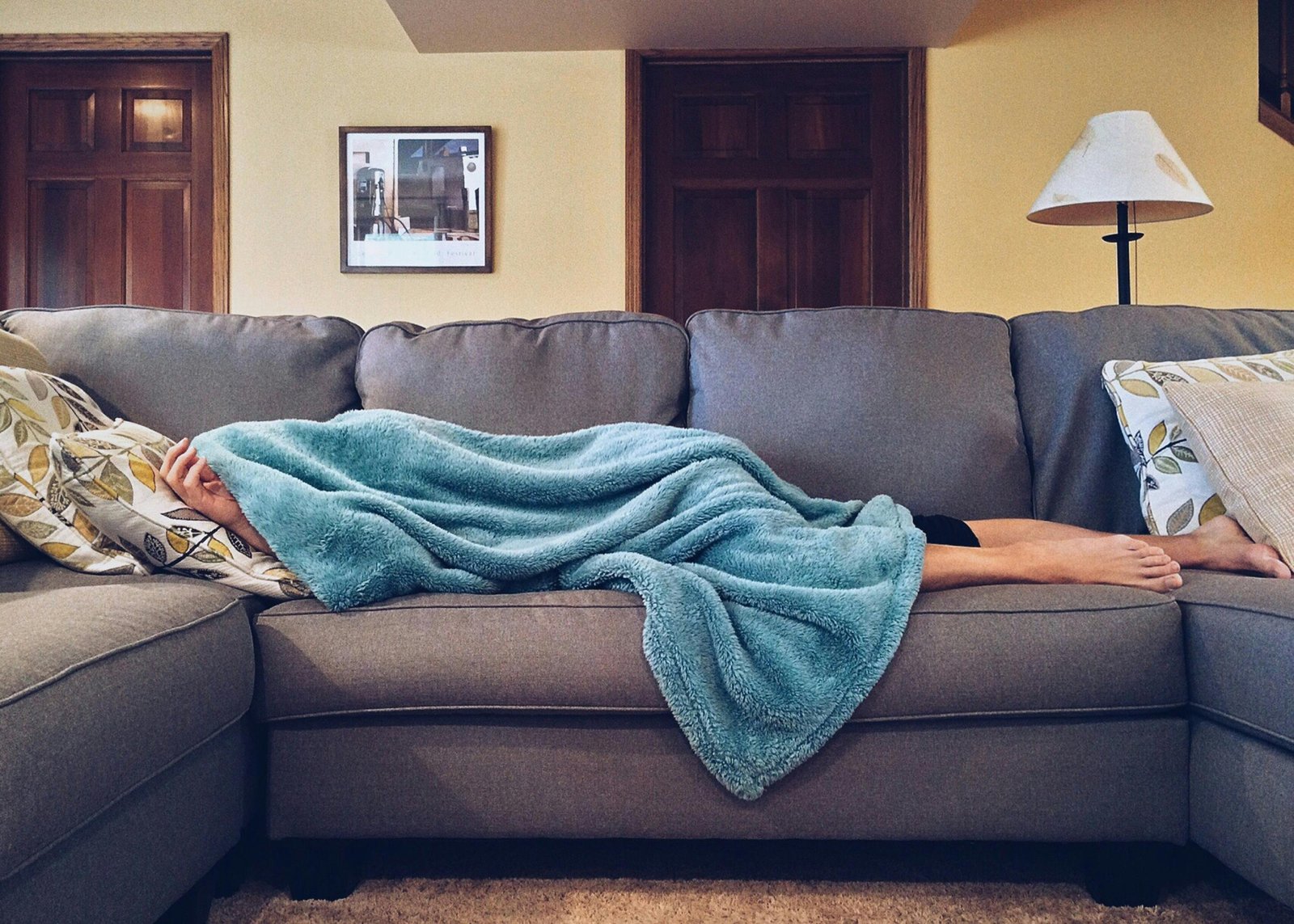
Short daytime sleep can restore alertness, improve reaction time, reduce stress, and make evenings more productive. Naps are not a cure for chronic sleep loss, but they help during heavy weeks, travel, and shift work. The key is picking the right length and time.
Benefits
- Sharper focus and fewer errors
- Better mood and patience
- Safer driving and commutes
Limits
- Late or long naps can delay bedtime.
- Chronic sleep debt still requires schedule fixes.
Best nap lengths
| Length | Use it when | Pros | Cons |
|---|---|---|---|
| 10–20 min (power nap) | Busy day; you need a quick boost | Fast alertness, minimal grogginess | Not deeply restorative |
| 30–45 min | Heavier fatigue but limited time | More rest than a power nap | Higher risk of sleep inertia (grogginess) |
| ~90 min (full cycle) | Travel, shift work, or after missed nights | One complete sleep cycle; good recovery | Time cost; can delay bedtime if too late |
When to nap
- Best window: early afternoon when alertness dips naturally.
- Avoid late naps: naps after ~4–5 p.m. often delay bedtime.
- Driving safety: if you feel drowsy before driving, take a short nap or delay the trip—safety first.
How to nap well (step‑by‑step)
- Set a timer (15–20 minutes for a power nap).
- Darken the room or use an eye mask; keep it cool and quiet (white noise helps).
- Lie down or recline comfortably; loosen tight clothing.
- Try a caffeine nap: drink a small coffee 10–15 minutes before a 15–20 minute nap—caffeine kicks in as you wake.
- After waking, get outdoor light and a short walk to clear residual grogginess.
Special situations
Shift workers
Use a 20–30 minute pre‑shift nap and, if safe, a short nap on break. After a night shift, sleep in one block if possible; if split, aim for a long block + a later nap.
Athletes/heavy training
A 20–30 minute early‑afternoon nap can aid recovery on hard training days, as long as it doesn’t push bedtime later.
New parents
Sleep when the baby sleeps; aim for total sleep across 24 hours. Accept irregularity during this season and protect any chance to nap.
When to skip naps
- If you’re rebuilding a consistent bedtime after insomnia.
- Late afternoon/evening when naps push bedtime too late.
- If naps become long daily defaults and nights stay short—reassess schedule instead.
FAQs
Why do I feel worse after some naps?
You likely woke from deep sleep (sleep inertia). Shorten to 10–20 minutes or go to ~90 minutes on rare heavy‑debt days.
Can I nap if I have insomnia?
During active insomnia, many clinicians advise avoiding naps temporarily while you reset bedtime and wake time. Get guidance if insomnia persists.
Is a “coffee nap” safe?
For most healthy adults, yes in small amounts earlier in the day. Avoid if caffeine triggers anxiety or reflux.
Do naps count toward my nightly total?
Naps can reduce sleep pressure; they don’t replace a stable nightly schedule. Use them as a supplement, not a crutch.